Wearable Device Lab Data Sharing: The Future of Healthcare
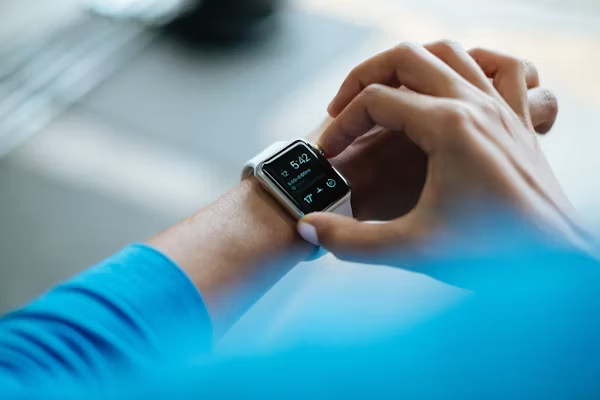
Picture this: a patient’s smartwatch detects an irregular heartbeat at 2 AM, instantly alerting their healthcare provider who orders targeted lab work by morning. What once seemed like science fiction is now transforming how we approach healthcare. This seamless integration of wearable technology with traditional laboratory services is revolutionizing patient care, offering unprecedented opportunities for early detection, personalized treatment, and improved health outcomes.
The global market for healthcare wearables tells a compelling story of this transformation. Valued at $33.85 billion in 2023, the market is projected to reach an astounding $250 billion by 2030. Factors such as rising health awareness, the prevalence of chronic diseases, and a post-pandemic shift toward remote patient monitoring are fueling this remarkable growth. This surge represents more than just market expansion; it signals a fundamental shift in how we monitor, analyze, and respond to human health data.
The Rise of Wearable Devices in Healthcare
Wearable devices have evolved far beyond simple step counters to become sophisticated health monitoring systems. Today’s devices track everything from heart rate variability and blood oxygen levels to sleep quality and stress indicators. These compact powerhouses provide healthcare professionals with a continuous window into patient health, something traditional medicine could never achieve through periodic appointments alone.
The adoption of wearable technology has been accelerated by remarkable advancements in sensor technology and data analytics. Modern devices achieve medical-grade accuracy while remaining comfortable enough for 24/7 wear. This technological leap has expanded their use beyond fitness enthusiasts to include patients managing chronic conditions, elderly individuals requiring continuous monitoring, and clinical settings where post-operative recovery tracking is essential.
The versatility of these devices is particularly noteworthy. Advanced biosensors can now detect subtle changes in physiological markers that might indicate the onset of complications or the need for treatment adjustments. This capability transforms reactive healthcare into proactive health management, where interventions can occur before symptoms become severe or complications arise.
How Real-Time Data Enhances Patient Care
The power of real-time health data cannot be overstated. Unlike traditional healthcare models that rely on snapshots of health captured during periodic visits, wearable devices provide a continuous narrative of patient wellbeing. This constant stream of information reveals patterns, trends, and anomalies that might otherwise go unnoticed until they become serious problems.
For healthcare providers, access to real-time data fundamentally changes the decision-making process. Instead of relying solely on patient recall or isolated test results, clinicians can observe how treatments affect patients in their daily lives. This insight enables more informed medication adjustments, lifestyle recommendations, and intervention timing. The result is a more responsive healthcare approach that adapts to each patient’s unique needs and circumstances.
The implications extend beyond individual patient care. Real-time monitoring can reduce emergency department visits by catching problems early, decrease hospital readmissions through better post-discharge monitoring, and improve medication compliance through continuous feedback loops. These benefits translate into both better patient outcomes and more efficient healthcare resource utilization.
Benefits of Lab Service Integration
The true revolution in healthcare occurs when wearable device data integrates seamlessly with laboratory services. This integration creates a comprehensive health picture that neither data source could provide alone. Laboratory results offer precise, detailed analysis of specific biomarkers at particular moments, while wearable data provides the continuous context that gives these results deeper meaning.
Consider a patient whose wearable device shows declining activity levels and irregular sleep patterns over several weeks. When combined with laboratory results indicating elevated inflammatory markers, healthcare providers can quickly identify potential underlying conditions and initiate appropriate interventions. This integrated approach enables early detection that might prevent serious complications or disease progression.
The synergy between continuous monitoring and detailed laboratory analysis also enhances diagnostic accuracy. Wearable data can indicate when laboratory tests would be most informative, while lab results can help interpret patterns observed in wearable data. This collaborative approach reduces unnecessary testing while ensuring that important health changes receive prompt attention.
Integration also supports more personalized treatment strategies. By understanding how individual patients respond to treatments through continuous monitoring and validating these responses with targeted laboratory tests, healthcare providers can fine-tune therapies for optimal effectiveness with minimal side effects.
Five Critical Roles of Clinical Laboratories in the Wearable Revolution
1. Data Validation and Calibration
Clinical laboratories serve as the gold standard for ensuring wearable device accuracy. Through rigorous validation processes, labs can verify that consumer devices provide clinically reliable data. This validation is crucial for building confidence among healthcare providers who must make treatment decisions based on wearable device readings.
2. Advanced Diagnostic Capabilities
While wearable devices excel at continuous monitoring of basic vital signs, clinical laboratories can analyze complex biomarkers that provide deeper insights into health status. Protein markers, genetic indicators, and specialized metabolic panels offer information that complements and enhances the continuous data stream from wearables.
3. Personalized Medicine Development
The combination of continuous wearable data and detailed laboratory analysis creates rich datasets that support personalized medicine initiatives. Labs can identify how individual genetic profiles, biomarker patterns, and continuous health metrics interact to influence treatment responses and health outcomes.
4. Research and Innovation
Clinical laboratories play a vital role in advancing the science behind integrated healthcare monitoring. They research new biomarkers that could be tracked by future wearable devices, develop algorithms that better interpret combined data sources, and validate new diagnostic approaches that leverage both continuous monitoring and laboratory analysis.
5. Enhanced Chronic Disease Management
For patients with chronic conditions, the integration of laboratory services with wearable monitoring creates powerful management tools. Labs can schedule routine monitoring based on wearable data trends, adjust testing frequency according to device readings, and provide rapid response capabilities when wearables indicate potential complications.
Addressing Data Privacy and Security
The proliferation of health data from wearable devices raises important privacy and security considerations. As these devices collect intimate details about daily life, sleep patterns, activity levels, and physiological responses, protecting this information becomes paramount. Healthcare organizations must implement comprehensive security frameworks that address data collection, transmission, storage, and sharing.
Robust encryption protocols ensure that data remains secure during transmission from devices to healthcare systems. Secure storage solutions protect accumulated health information from unauthorized access, while strict access controls ensure that only authorized healthcare providers can view patient data. Regular security audits help identify and address potential vulnerabilities before they can be exploited.
Patient education plays a crucial role in maintaining privacy and security. Individuals need to understand what data their devices collect, how this information is used, and what control they have over data sharing. Transparent privacy policies and user-friendly consent processes help patients make informed decisions about their health data.
Compliance with healthcare regulations such as HIPAA requires ongoing attention to evolving privacy requirements. As wearable technology advances and new data types become available, privacy frameworks must adapt to address emerging challenges while maintaining the benefits of integrated healthcare monitoring.
The Future Landscape of Healthcare with Integrated Technology
The future of integrated wearable and laboratory healthcare promises even more sophisticated monitoring capabilities. Next-generation wearable devices may incorporate advanced sensors capable of detecting biomarkers currently requiring laboratory analysis. Imagine devices that can monitor blood glucose non-invasively, detect early signs of infection through skin sensors, or identify medication levels through sweat analysis.
Artificial intelligence and machine learning will enhance the interpretation of combined wearable and laboratory data. Predictive algorithms will identify health risks before symptoms appear, recommend optimal timing for laboratory tests, and suggest personalized interventions based on individual health patterns. These technologies will make healthcare more proactive and preventive rather than reactive.
Seamless data sharing platforms will connect wearable devices, laboratory systems, electronic health records, and healthcare providers in real-time networks. This integration will enable immediate responses to health changes, coordinated care among multiple providers, and comprehensive health management that follows patients across different healthcare settings.
The economic impact of this integrated approach extends beyond improved health outcomes. Early detection and prevention reduce healthcare costs by avoiding expensive emergency interventions and hospitalizations. More efficient resource utilization and better chronic disease management contribute to sustainable healthcare systems that can serve growing populations effectively.
Transforming Healthcare Through Strategic Integration
As we stand at the intersection of wearable technology and clinical laboratory excellence, the potential for healthcare transformation has never been greater. The integration of continuous monitoring with precision laboratory analysis creates opportunities for earlier detection, more personalized treatment, and better health outcomes than either approach could achieve independently.
Success in this integrated healthcare future requires collaboration among technology developers, clinical laboratories, healthcare providers, and patients themselves. Each stakeholder brings essential capabilities that contribute to the overall effectiveness of integrated health monitoring systems.
The journey toward fully integrated healthcare monitoring continues to evolve, driven by technological advances, regulatory developments, and growing recognition of the benefits this approach provides. Organizations that embrace this integration early will be best positioned to deliver exceptional patient care in an increasingly connected healthcare landscape.
What steps is your healthcare organization taking to integrate wearable technology with laboratory services? Share your experiences and insights with ours, and let’s continue the conversation about revolutionizing patient care through seamless data integration.
Picture this: a patient’s smartwatch detects an irregular heartbeat at 2 AM, instantly alerting their healthcare provider who orders targeted lab work by morning. What once seemed like science fiction is now transforming how we approach healthcare. This seamless integration of wearable technology with traditional laboratory services is revolutionizing patient care, offering unprecedented opportunities for early detection, personalized treatment, and improved health outcomes.
The global market for healthcare wearables tells a compelling story of this transformation. Valued at $33.85 billion in 2023, the market is projected to reach an astounding $250 billion by 2030. Factors such as rising health awareness, the prevalence of chronic diseases, and a post-pandemic shift toward remote patient monitoring are fueling this remarkable growth. This surge represents more than just market expansion; it signals a fundamental shift in how we monitor, analyze, and respond to human health data.
The Rise of Wearable Devices in Healthcare
Wearable devices have evolved far beyond simple step counters to become sophisticated health monitoring systems. Today’s devices track everything from heart rate variability and blood oxygen levels to sleep quality and stress indicators. These compact powerhouses provide healthcare professionals with a continuous window into patient health, something traditional medicine could never achieve through periodic appointments alone.
The adoption of wearable technology has been accelerated by remarkable advancements in sensor technology and data analytics. Modern devices achieve medical-grade accuracy while remaining comfortable enough for 24/7 wear. This technological leap has expanded their use beyond fitness enthusiasts to include patients managing chronic conditions, elderly individuals requiring continuous monitoring, and clinical settings where post-operative recovery tracking is essential.
The versatility of these devices is particularly noteworthy. Advanced biosensors can now detect subtle changes in physiological markers that might indicate the onset of complications or the need for treatment adjustments. This capability transforms reactive healthcare into proactive health management, where interventions can occur before symptoms become severe or complications arise.
How Real-Time Data Enhances Patient Care
The power of real-time health data cannot be overstated. Unlike traditional healthcare models that rely on snapshots of health captured during periodic visits, wearable devices provide a continuous narrative of patient wellbeing. This constant stream of information reveals patterns, trends, and anomalies that might otherwise go unnoticed until they become serious problems.
For healthcare providers, access to real-time data fundamentally changes the decision-making process. Instead of relying solely on patient recall or isolated test results, clinicians can observe how treatments affect patients in their daily lives. This insight enables more informed medication adjustments, lifestyle recommendations, and intervention timing. The result is a more responsive healthcare approach that adapts to each patient’s unique needs and circumstances.
The implications extend beyond individual patient care. Real-time monitoring can reduce emergency department visits by catching problems early, decrease hospital readmissions through better post-discharge monitoring, and improve medication compliance through continuous feedback loops. These benefits translate into both better patient outcomes and more efficient healthcare resource utilization.
Benefits of Lab Service Integration
The true revolution in healthcare occurs when wearable device data integrates seamlessly with laboratory services. This integration creates a comprehensive health picture that neither data source could provide alone. Laboratory results offer precise, detailed analysis of specific biomarkers at particular moments, while wearable data provides the continuous context that gives these results deeper meaning.
Consider a patient whose wearable device shows declining activity levels and irregular sleep patterns over several weeks. When combined with laboratory results indicating elevated inflammatory markers, healthcare providers can quickly identify potential underlying conditions and initiate appropriate interventions. This integrated approach enables early detection that might prevent serious complications or disease progression.
The synergy between continuous monitoring and detailed laboratory analysis also enhances diagnostic accuracy. Wearable data can indicate when laboratory tests would be most informative, while lab results can help interpret patterns observed in wearable data. This collaborative approach reduces unnecessary testing while ensuring that important health changes receive prompt attention.
Integration also supports more personalized treatment strategies. By understanding how individual patients respond to treatments through continuous monitoring and validating these responses with targeted laboratory tests, healthcare providers can fine-tune therapies for optimal effectiveness with minimal side effects.
Five Critical Roles of Clinical Laboratories in the Wearable Revolution
1. Data Validation and Calibration
Clinical laboratories serve as the gold standard for ensuring wearable device accuracy. Through rigorous validation processes, labs can verify that consumer devices provide clinically reliable data. This validation is crucial for building confidence among healthcare providers who must make treatment decisions based on wearable device readings.
2. Advanced Diagnostic Capabilities
While wearable devices excel at continuous monitoring of basic vital signs, clinical laboratories can analyze complex biomarkers that provide deeper insights into health status. Protein markers, genetic indicators, and specialized metabolic panels offer information that complements and enhances the continuous data stream from wearables.
3. Personalized Medicine Development
The combination of continuous wearable data and detailed laboratory analysis creates rich datasets that support personalized medicine initiatives. Labs can identify how individual genetic profiles, biomarker patterns, and continuous health metrics interact to influence treatment responses and health outcomes.
4. Research and Innovation
Clinical laboratories play a vital role in advancing the science behind integrated healthcare monitoring. They research new biomarkers that could be tracked by future wearable devices, develop algorithms that better interpret combined data sources, and validate new diagnostic approaches that leverage both continuous monitoring and laboratory analysis.
5. Enhanced Chronic Disease Management
For patients with chronic conditions, the integration of laboratory services with wearable monitoring creates powerful management tools. Labs can schedule routine monitoring based on wearable data trends, adjust testing frequency according to device readings, and provide rapid response capabilities when wearables indicate potential complications.
Addressing Data Privacy and Security
The proliferation of health data from wearable devices raises important privacy and security considerations. As these devices collect intimate details about daily life, sleep patterns, activity levels, and physiological responses, protecting this information becomes paramount. Healthcare organizations must implement comprehensive security frameworks that address data collection, transmission, storage, and sharing.
Robust encryption protocols ensure that data remains secure during transmission from devices to healthcare systems. Secure storage solutions protect accumulated health information from unauthorized access, while strict access controls ensure that only authorized healthcare providers can view patient data. Regular security audits help identify and address potential vulnerabilities before they can be exploited.
Patient education plays a crucial role in maintaining privacy and security. Individuals need to understand what data their devices collect, how this information is used, and what control they have over data sharing. Transparent privacy policies and user-friendly consent processes help patients make informed decisions about their health data.
Compliance with healthcare regulations such as HIPAA requires ongoing attention to evolving privacy requirements. As wearable technology advances and new data types become available, privacy frameworks must adapt to address emerging challenges while maintaining the benefits of integrated healthcare monitoring.
The Future Landscape of Healthcare with Integrated Technology
The future of integrated wearable and laboratory healthcare promises even more sophisticated monitoring capabilities. Next-generation wearable devices may incorporate advanced sensors capable of detecting biomarkers currently requiring laboratory analysis. Imagine devices that can monitor blood glucose non-invasively, detect early signs of infection through skin sensors, or identify medication levels through sweat analysis.
Artificial intelligence and machine learning will enhance the interpretation of combined wearable and laboratory data. Predictive algorithms will identify health risks before symptoms appear, recommend optimal timing for laboratory tests, and suggest personalized interventions based on individual health patterns. These technologies will make healthcare more proactive and preventive rather than reactive.
Seamless data sharing platforms will connect wearable devices, laboratory systems, electronic health records, and healthcare providers in real-time networks. This integration will enable immediate responses to health changes, coordinated care among multiple providers, and comprehensive health management that follows patients across different healthcare settings.
The economic impact of this integrated approach extends beyond improved health outcomes. Early detection and prevention reduce healthcare costs by avoiding expensive emergency interventions and hospitalizations. More efficient resource utilization and better chronic disease management contribute to sustainable healthcare systems that can serve growing populations effectively.
Transforming Healthcare Through Strategic Integration
As we stand at the intersection of wearable technology and clinical laboratory excellence, the potential for healthcare transformation has never been greater. The integration of continuous monitoring with precision laboratory analysis creates opportunities for earlier detection, more personalized treatment, and better health outcomes than either approach could achieve independently.
Success in this integrated healthcare future requires collaboration among technology developers, clinical laboratories, healthcare providers, and patients themselves. Each stakeholder brings essential capabilities that contribute to the overall effectiveness of integrated health monitoring systems.
The journey toward fully integrated healthcare monitoring continues to evolve, driven by technological advances, regulatory developments, and growing recognition of the benefits this approach provides. Organizations that embrace this integration early will be best positioned to deliver exceptional patient care in an increasingly connected healthcare landscape.
What steps is your healthcare organization taking to integrate wearable technology with laboratory services? Share your experiences and insights with ours, and let’s continue the conversation about revolutionizing patient care through seamless data integration.


latest video


news via inbox
From regulatory updates to cutting-edge technology, we've got you covered.